The Digital Soul
Tech Ethicist vs. Transhumanist
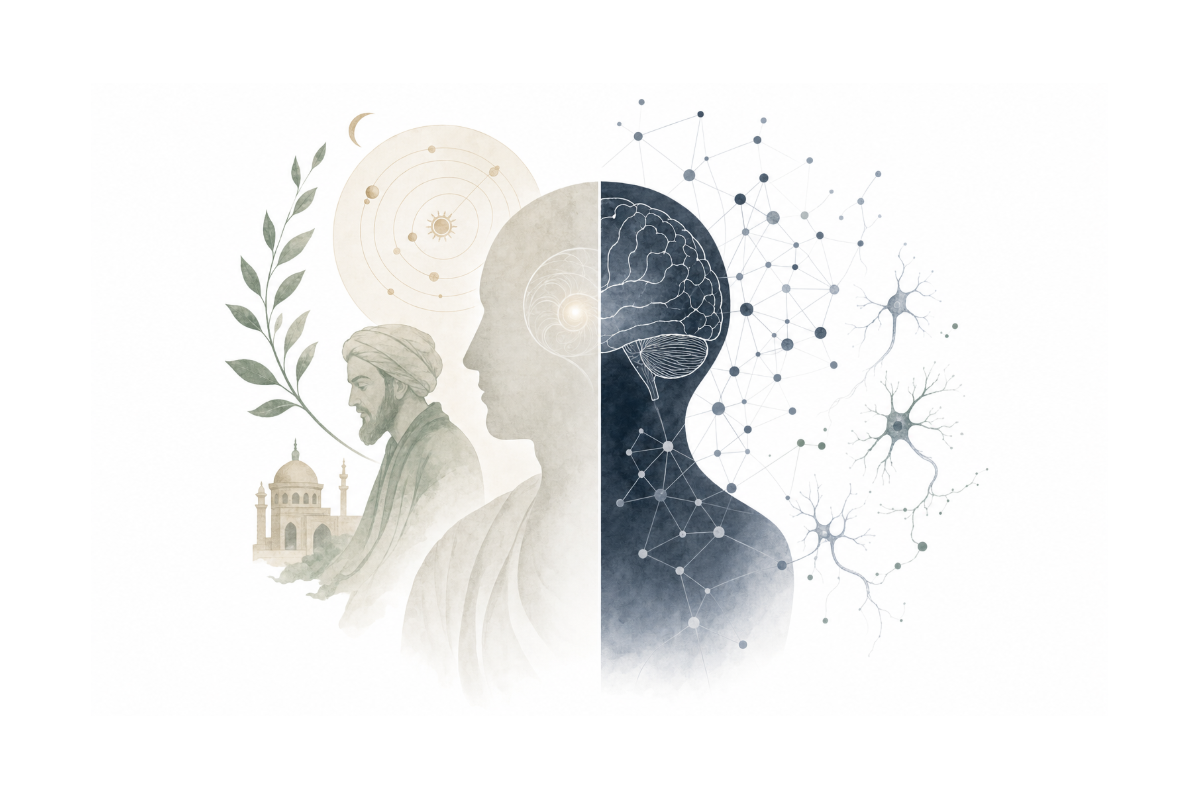
For most of human history, death was the one certainty that philosophy had to reckon with. The Stoics accepted it. The Epicureans neutralised its sting. Plato built a metaphysics around what comes after. The Buddha pointed toward liberation from the cycle itself. But now, for the first time, a serious scientific and philosophical movement is asking whether death might be optional — and whether human nature, as we have known it, might be only the beginning.
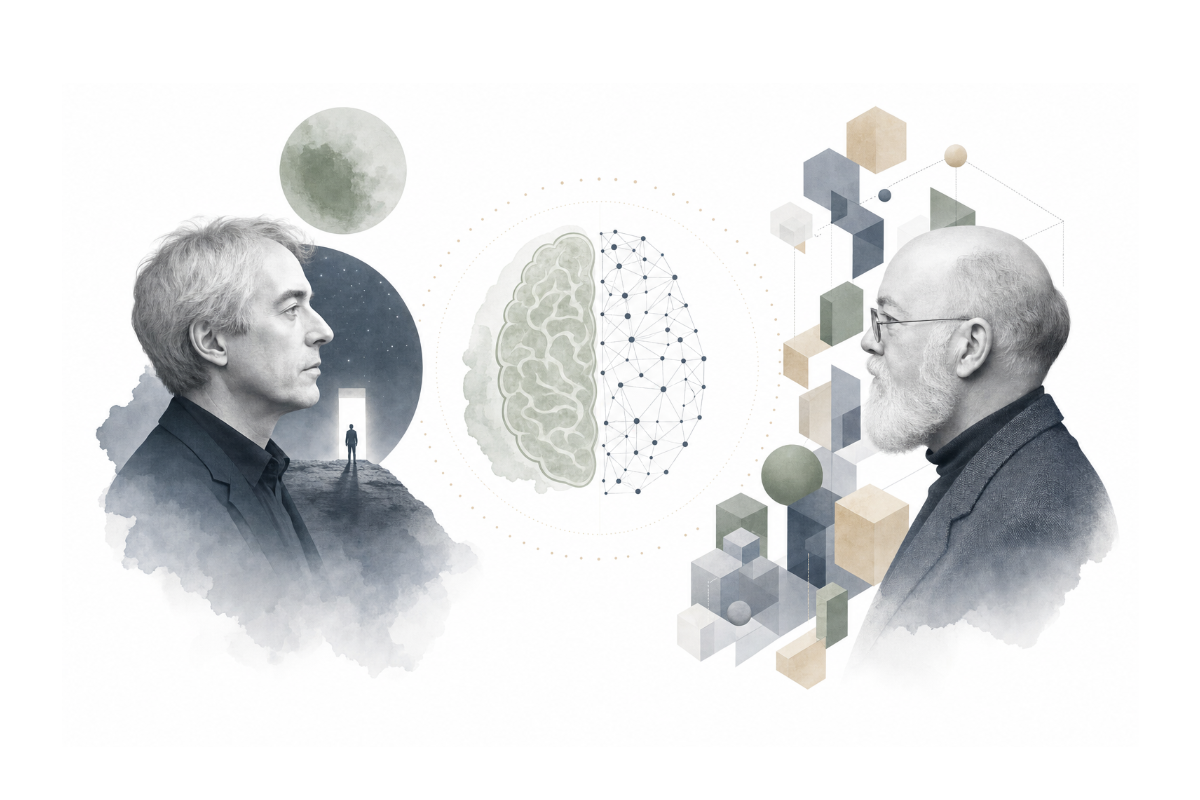
Nick Bostrom, philosopher and founding director of Oxford's Future of Humanity Institute, is one of the world's most rigorous advocates of transhumanism — the view that humanity should use technology to radically enhance its cognitive, emotional, and physical capacities, and eventually transcend biological limitations altogether. He has argued that mind uploading — copying a human consciousness into a digital substrate — may be not only technically feasible but ethically desirable. He takes with deadly seriousness the possibility that superintelligent AI could be the last invention humanity ever needs to make — for better or for catastrophically worse.
Shannon Vallor, philosopher of technology and former Google AI ethics researcher, asks a different set of questions. Technology, she argues, is not neutral. It shapes habits, dispositions, and character — the very capacities that allow us to live well. Platforms optimised for engagement erode attention. Navigation apps erode the capacity for orientation. Automation erodes the skills that give work its meaning. And the pursuit of enhancement may erode the very friction — the limitation, the struggle, the vulnerability — that makes human growth and human solidarity possible.
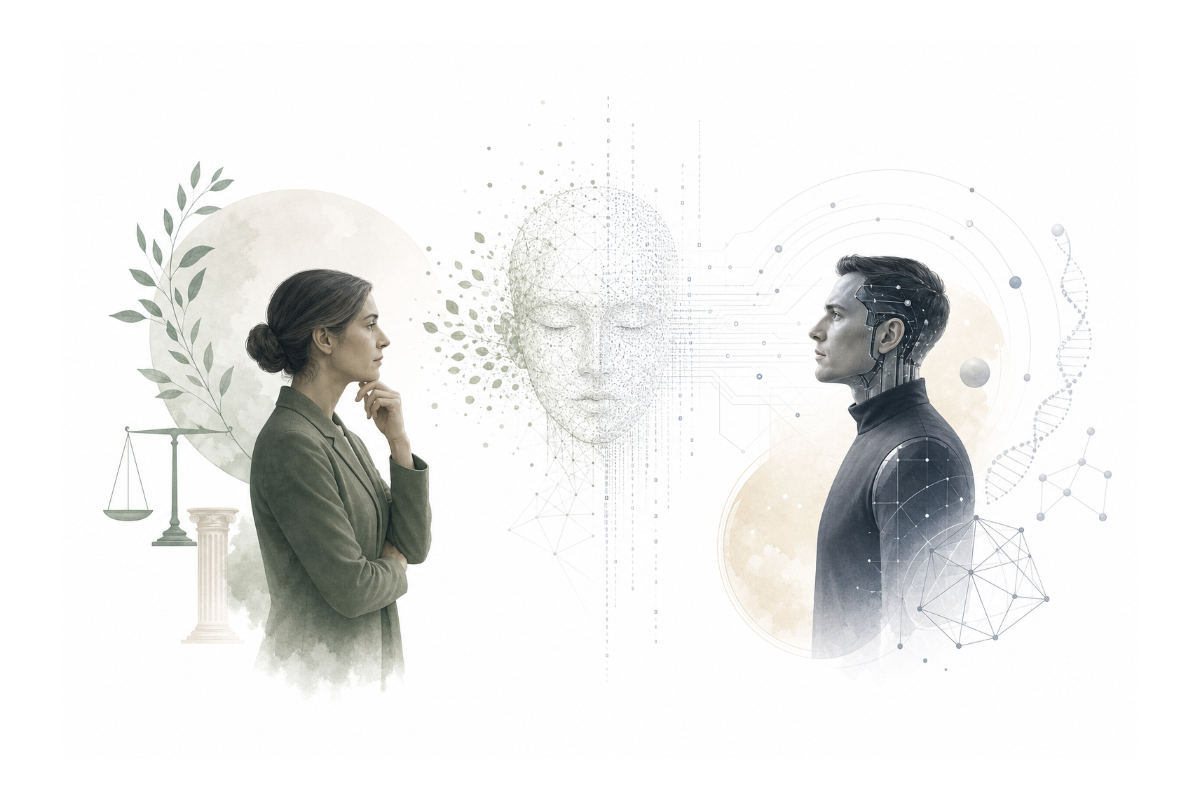
The questions between them are not abstract. They are already being answered — by the devices in our pockets, the algorithms curating our attention, the pharmaceutical industries treating everything from shyness to grief as conditions to be corrected. Whether we have thought carefully about these answers is another matter:
- If you could upload your mind into a digital substrate, would the result be you — or your replacement?
- Is there a human nature worth preserving, or is "human nature" just a snapshot of one evolutionary moment?
- Could a machine be conscious? Could it have something like a soul?
- Who decides what the enhanced human future looks like — and whose values does it encode?
You are already living in the early stages of the world this dialogue describes. The question is whether you are thinking about it clearly enough to have any say in where it goes.